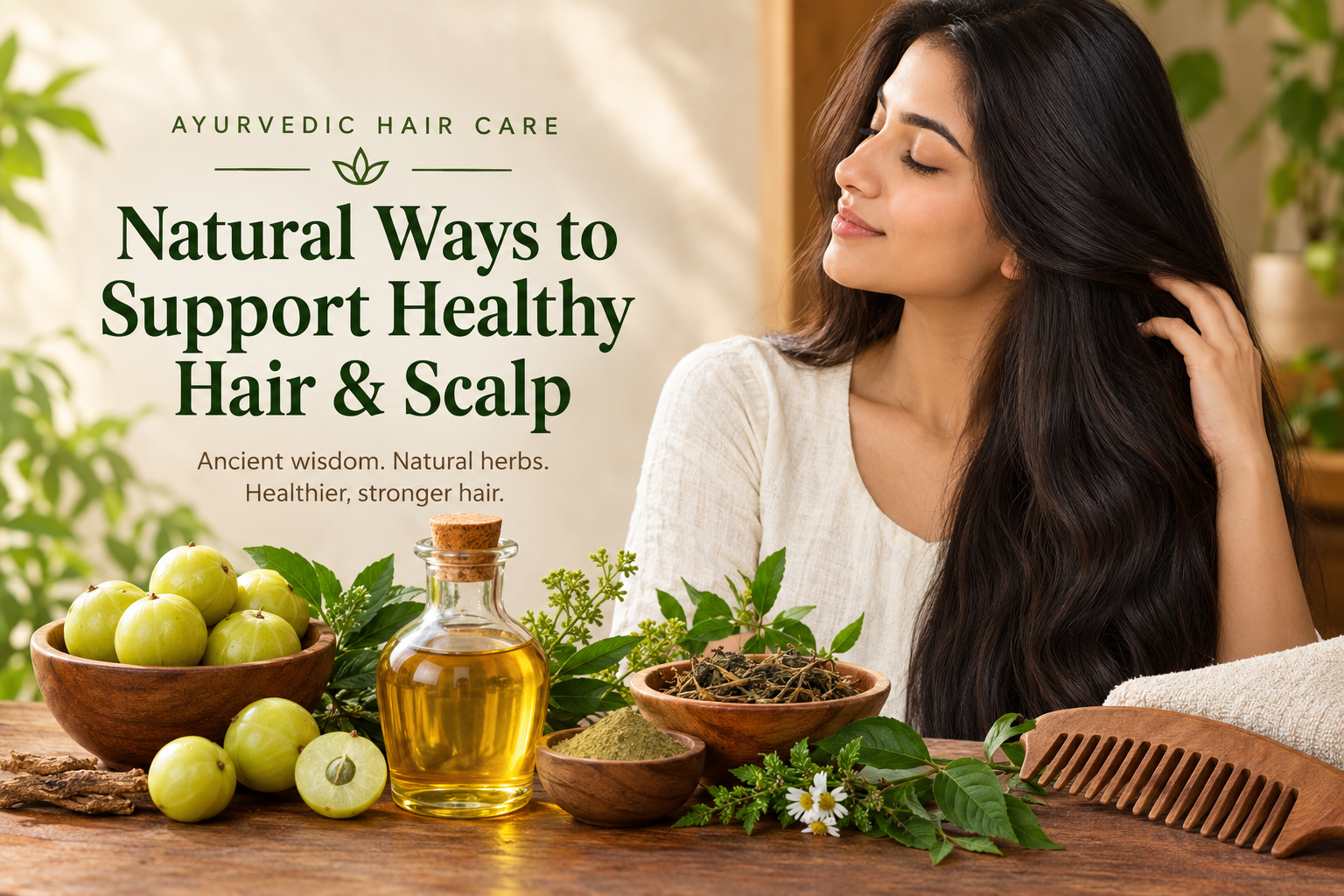
Ayurvedic Hair Care: Natural Ways to Support Healthy Hair & Scalp
Healthy hair is often associated with beauty, confidence, and overall well-being. However, maintaining strong and healthy hair involves more than simply choosing the right shampoo or applying hair oil. Hair health can be influenced by nutrition, sleep, stress, genetics, hormones, scalp condition, and everyday lifestyle habits.
Ayurveda, the traditional system of Indian medicine, takes a holistic approach to wellness. Rather than focusing only on the visible symptoms of hair problems, Ayurvedic hair care emphasizes maintaining balance through appropriate nutrition, daily routines, scalp care, herbs, and lifestyle practices.
In this guide, we explore Ayurvedic hair care, common factors that can contribute to hair fall, traditional Ayurvedic approaches to maintaining scalp health, useful herbs, dietary considerations, and practical habits that can become part of your daily routine.
Note: This article is for general educational purposes and does not replace medical advice or diagnosis. Persistent, sudden, or severe hair loss should be evaluated by a qualified healthcare professional.
What Is Ayurvedic Hair Care?
Ayurvedic hair care is a holistic approach to maintaining the health and appearance of the hair and scalp using principles derived from Ayurveda.
Traditional Ayurvedic practices may include:
- Regular scalp cleansing
- Gentle scalp massage
- Traditional herbal preparations
- Balanced nutrition
- Adequate sleep
- Stress-management practices
- Maintaining a consistent daily routine
- Avoiding excessive chemical or mechanical stress on the hair
Ayurveda traditionally considers the body as an interconnected system. Therefore, hair and scalp care is not viewed entirely as an external process. Lifestyle, digestion, nutrition, stress, and general well-being may also be considered when developing an Ayurvedic wellness routine.
Why Is Hair Care Important?
Hair goes through a natural growth cycle. It is normal to lose some hair every day as older hairs naturally shed and new hairs enter the growth cycle.
However, noticeable changes in hair density, excessive shedding, changes in the scalp, or sudden hair loss can have many possible causes.
Some common factors associated with hair problems include:
- Genetic predisposition
- Stress
- Poor sleep
- Nutritional deficiencies
- Hormonal changes
- Illness or certain medications
- Scalp conditions
- Excessive heat styling
- Frequent chemical treatments
- Tight hairstyles
- Aggressive brushing or combing
This is why a good hair-care routine should look beyond a single product and consider overall hair and scalp habits.
Ayurvedic Perspective on Hair and Scalp Health
Ayurveda traditionally emphasizes balance within the body and considers individual constitution, lifestyle, diet, and daily routine when approaching wellness.
The three doshas—Vata, Pitta, and Kapha—are central concepts in Ayurvedic philosophy. They are traditionally described as different functional principles within the body.
From an Ayurvedic perspective, maintaining an appropriate routine and supporting overall well-being are important components of hair care.
Modern hair science, meanwhile, recognizes that hair health can be affected by genetics, hormones, nutrition, inflammation, scalp health, stress, and other factors.
Therefore, Ayurvedic hair care can be approached as a complementary wellness routine rather than a replacement for professional evaluation of medical hair-loss conditions.
Common Causes of Hair Fall
Understanding why hair is shedding is an important first step before choosing a hair-care routine.
1. Stress
Periods of significant physical or emotional stress may be associated with increased hair shedding in some people.
Maintaining regular sleep, physical activity, relaxation practices, and a balanced daily routine can support overall well-being.
2. Poor Nutrition
Hair follicles require adequate nutrients to function normally. A diet lacking important nutrients may affect hair health.
A balanced diet containing adequate protein, vegetables, fruits, whole grains, healthy fats, and essential micronutrients can contribute to overall nutritional health.
If you suspect a nutritional deficiency, it is better to consult a healthcare professional rather than taking supplements without guidance.
3. Hormonal Changes
Changes in hormones can influence the hair-growth cycle. Hormonal fluctuations may occur during different stages of life and may be associated with changes in hair density or shedding.
Persistent hair loss should be professionally assessed to determine the underlying cause.
4. Genetics
Genetics can play an important role in hair density and patterns of hair loss. Some types of hair loss have a strong hereditary component.
In such situations, simply changing hair oil or shampoo may not address the underlying cause.
5. Scalp Problems
A healthy scalp provides the environment in which hair grows. Excessive dryness, irritation, dandruff, inflammation, or other scalp problems can make hair care more difficult.
Maintaining appropriate scalp hygiene and seeking professional advice when persistent scalp symptoms occur can be helpful.
6. Excessive Styling
Frequent heat styling, chemical treatments, bleaching, coloring, and tight hairstyles can contribute to hair damage.
Reducing unnecessary mechanical and chemical stress can help preserve the strength and appearance of the hair shaft.
Ayurvedic Hair Care Routine for Healthy Hair
A consistent routine is often more useful than constantly switching between products.
Here is a simple Ayurvedic-inspired hair-care routine.
Step 1: Keep Your Scalp Clean
Regular scalp cleansing helps remove sweat, excess oil, dirt, and product buildup.
Choose a cleanser appropriate for your scalp and hair type. Avoid using excessively harsh products or washing aggressively.
The ideal washing frequency varies from person to person depending on scalp oiliness, activity, climate, hairstyle, and product use.
Step 2: Try Gentle Scalp Massage
Scalp massage is a traditional hair-care practice.
Using gentle fingertip movements rather than scratching the scalp can make the process relaxing and help distribute hair oil when oiling is part of your routine.
Avoid excessive pressure, especially if your scalp is irritated or painful.
Step 3: Consider Traditional Hair Oiling
Hair oiling has a long history in Indian self-care traditions and is commonly associated with Ayurvedic routines.
Traditional hair oils may contain ingredients such as coconut oil, sesame oil, amla, bhringraj, or other botanical ingredients.
Hair oiling can help condition the hair and reduce the feeling of dryness for some people. However, it should not be considered a guaranteed treatment for medical hair-loss conditions.
If you have dandruff, an oily scalp, or scalp inflammation, excessive oiling may not be suitable for you.
Step 4: Handle Wet Hair Carefully
Wet hair can be more vulnerable to mechanical damage.
After washing:
- Avoid aggressive towel rubbing.
- Use a soft towel or gently squeeze excess water.
- Detangle carefully.
- Avoid pulling knots forcefully.
- Minimize excessive heat.
Small changes in everyday handling can help reduce unnecessary hair breakage.
Step 5: Protect Hair From Excessive Heat
Frequent use of straighteners, curling irons, and high-temperature blow dryers can damage the hair shaft.
When possible, reduce the temperature and frequency of heat styling. Using appropriate heat protection products can also help reduce damage.
Ayurvedic Herbs Traditionally Used in Hair Care
Several herbs are traditionally used in Ayurvedic hair-care practices.
Amla
Amla, also known as Indian gooseberry, has a long history of use in traditional Indian wellness practices.
It is commonly included in traditional hair oils, powders, and preparations.
Amla is also a source of vitamin C when consumed as part of a normal diet.
Bhringraj
Bhringraj is one of the herbs traditionally associated with Ayurvedic hair care.
It is commonly used in herbal hair oils and other traditional preparations intended for scalp and hair wellness.
Brahmi
Brahmi is another traditional Ayurvedic botanical frequently included in herbal preparations.
It has a long history of use in traditional wellness practices and is sometimes incorporated into scalp and hair formulations.
Neem
Neem has traditionally been used in Indian personal-care practices.
Neem-based preparations are commonly associated with skin and scalp cleansing routines.
Shikakai
Shikakai has traditionally been used as a natural cleansing ingredient for hair.
It is commonly associated with traditional Indian hair-washing practices and may be found in herbal hair-care formulations.
The Role of Diet in Hair Health
Hair care should not be limited to external treatments.
A balanced diet is an important part of overall health and can contribute to maintaining healthy hair.
Include a variety of nutrient-rich foods such as:
- Lentils and legumes
- Eggs and other protein-rich foods
- Dairy or suitable alternatives
- Green leafy vegetables
- Seasonal fruits
- Nuts and seeds
- Whole grains
- Healthy sources of fats
Protein is particularly important because hair is primarily made up of a protein called keratin.
Rather than focusing on a single “hair-growth food,” aim for a varied and balanced diet.
If you experience significant hair loss along with fatigue, changes in weight, menstrual changes, or other health symptoms, speak with a healthcare professional. They may determine whether testing for nutritional or other underlying problems is appropriate.
Ayurveda, Stress, and Hair Wellness
Modern lifestyles often involve long working hours, irregular sleep, prolonged screen time, and high levels of stress.
Stress does not affect everyone in the same way, but significant stress can be associated with changes in the hair-growth cycle.
Ayurvedic lifestyle practices often emphasize routine and balance.
Simple habits may include:
- Maintaining consistent sleeping hours
- Practicing relaxation or meditation
- Spending time outdoors
- Staying physically active
- Eating meals at regular times
- Limiting unnecessary screen use before bedtime
- Taking breaks during long working periods
These habits are not a substitute for treatment of an underlying medical condition, but they can form part of a healthy lifestyle.
Ayurvedic Hair Care for Different Hair Types
Different hair and scalp types may require different approaches.
Dry Hair
If your hair feels dry or rough, focus on gentle cleansing, conditioning, minimizing heat exposure, and avoiding excessive washing.
Traditional hair oiling may also be incorporated if it suits your scalp.
Oily Scalp
An oily scalp may require more regular cleansing.
Avoid applying excessive amounts of heavy oil if it makes your scalp feel greasy or uncomfortable.
Dandruff-Prone Scalp
Dandruff can have multiple causes and may require specific treatment.
Avoid scratching the scalp and seek professional advice if dandruff is persistent, severe, or accompanied by redness, pain, or significant inflammation.
Chemically Treated Hair
Colored, bleached, or chemically treated hair may be more vulnerable to dryness and breakage.
Use gentle products and reduce additional heat or chemical treatments whenever possible.
Common Ayurvedic Hair-Care Mistakes to Avoid
Even natural ingredients should be used thoughtfully.
Using Too Many Products
Constantly changing oils, masks, shampoos, and supplements can make it difficult to understand what is actually helping or irritating your scalp.
Assuming Natural Means Risk-Free
Natural ingredients can still cause irritation or allergic reactions.
Patch testing a new topical product and discontinuing it if irritation occurs is a sensible precaution.
Expecting Instant Results
Hair grows gradually, and changes in hair density generally cannot be evaluated overnight.
A consistent routine is more realistic than expecting immediate transformation.
Ignoring Persistent Hair Loss
Hair fall may sometimes be related to an underlying condition that requires professional evaluation.
Ayurvedic hair care can be part of a wellness routine, but persistent or sudden hair loss should not be dismissed as simply a cosmetic problem.
When Should You Consult a Healthcare Professional?
Consider seeking professional advice if you experience:
- Sudden or severe hair loss
- Clearly defined bald patches
- Rapidly decreasing hair density
- Persistent scalp itching or inflammation
- Painful or swollen scalp
- Significant scaling
- Hair loss accompanied by other unexplained symptoms
- Hair loss that continues despite improving your routine
A dermatologist or qualified healthcare professional can help identify possible causes and recommend appropriate treatment.
Frequently Asked Questions About Ayurvedic Hair Care
Is Ayurvedic hair care good for everyday use?
Ayurvedic-inspired hair-care practices such as gentle cleansing, scalp care, balanced nutrition, and appropriate hair handling can be incorporated into a regular routine. The specific frequency should depend on your hair and scalp type.
Can Ayurveda stop hair fall?
Hair fall has many possible causes, including genetics, hormones, nutritional issues, stress, and scalp conditions. Ayurvedic practices may support general hair and scalp wellness, but they should not be presented as a guaranteed cure for every type of hair loss.
Which Ayurvedic herbs are traditionally used for hair care?
Amla, bhringraj, brahmi, neem, and shikakai are among the herbs traditionally associated with Ayurvedic hair care.
How often should I oil my hair?
There is no universal frequency that works for everyone. Your scalp type, hair texture, lifestyle, and tolerance should be considered. If oiling causes itching, irritation, or excessive greasiness, reduce or discontinue it.
Can diet affect hair health?
Yes. Adequate nutrition is important for normal hair growth and overall health. A balanced diet containing sufficient protein and essential nutrients is preferable to relying on a single food or supplement.
Is Ayurvedic hair care suitable for everyone?
Not necessarily. Individual responses to herbal ingredients and topical products can vary. People with scalp conditions, allergies, or persistent hair loss should consider professional advice.
Building a Simple Ayurvedic Hair-Care Routine
You don’t need a complicated routine to take better care of your hair.
A practical approach can include:
Morning:
Maintain a balanced breakfast and stay hydrated throughout the day.
During the day:
Eat a varied diet, manage stress, and avoid unnecessary pulling or tight hairstyles.
Hair-wash days:
Cleanse the scalp gently and avoid aggressive towel drying.
Oiling days:
If suitable for your scalp, use an appropriate traditional hair oil and massage gently rather than aggressively.
Evening:
Prioritize relaxation and consistent sleep.
The goal is not to follow every traditional practice at once. Instead, develop a routine that is practical, consistent, and appropriate for your individual needs.
Final Thoughts
Ayurvedic hair care offers a holistic way to think about maintaining healthy hair and scalp. Traditional practices such as gentle scalp massage, appropriate hair oiling, herbal ingredients, balanced nutrition, regular sleep, and stress management can become part of a thoughtful hair-care routine.
At the same time, hair loss should not always be treated as a simple cosmetic concern. Genetics, hormonal changes, nutritional deficiencies, scalp conditions, medications, illness, and other factors can influence hair growth and shedding.
The most effective approach is therefore one that combines consistent hair-care habits, healthy lifestyle choices, appropriate Ayurvedic practices, and professional guidance when needed.
Healthy hair begins with healthy habits—and a good routine starts with understanding what your hair and scalp actually need.
About Dharmo Labs Care
Dharmo Labs Care focuses on bringing together traditional Ayurvedic principles and modern approaches to personal wellness. Our goal is to provide thoughtfully formulated products and useful information that help people make more informed choices about their everyday health and hair-care routines.
Explore our Ayurvedic hair-care range and choose products according to your individual needs and professional guidance where appropriate.
SEO Metadata
SEO Title: Ayurvedic Hair Care: Natural Ways to Support Healthy Hair & Scalp
Meta Description: Discover Ayurvedic hair care practices for healthier hair and scalp, including traditional herbs, hair oiling, nutrition, scalp care, lifestyle habits, and more.
Suggested URL: /ayurvedic-hair-care
Primary Keyword: Ayurvedic hair care
Secondary Keywords: Ayurvedic hair care routine, Ayurvedic hair treatment, Ayurvedic remedies for hair fall, Ayurvedic herbs for hair growth, Ayurvedic scalp care, natural hair care, healthy hair tips, Ayurveda for hair fall
Suggested Image Alt Text: Ayurvedic hair care routine for healthy hair and scalp
Suggested Featured Image: A premium, clean Ayurvedic hair-care scene featuring traditional herbs such as amla and bhringraj, natural hair oil, healthy hair, and subtle Indian Ayurvedic visual elements.
Suggested Internal Links
Link this article naturally to relevant pages on your website, such as:
- Ayurvedic Hair Care Products
- Hair Fall Care
- Ayurvedic Hair Oil
- Hair Growth Products
- About Ayurveda
- About Dharmo Labs Care
- Contact/Consultation Page
Use descriptive anchor text such as “Ayurvedic hair-care products” rather than repeatedly using generic anchors like “click here.”